Topic: Gender-Based Violence (GBV)

  • ERA’s Regional Input Referenced in Landmark UN Report on Violence and Discrimination against LBQ* Women

    ERA’s Regional Input Referenced in Landmark UN Report on Violence and Discrimination against LBQ* Women

    ERA’s regional input on gender-based violence against LBQ women has been accepted, integrated and referenced in the latest report of the UN Independent Expert on protection against violence and discrimination based on sexual orientation and gender identity, Graeme Reid.

    The report, titled “Violence and discrimination experienced by lesbian, bisexual and queer women,” was submitted to the 62nd session of the UN Human Rights Council and represents a landmark contribution to documenting the distinct and intersecting forms of violence, discrimination and structural exclusion faced by LBQ women worldwide.

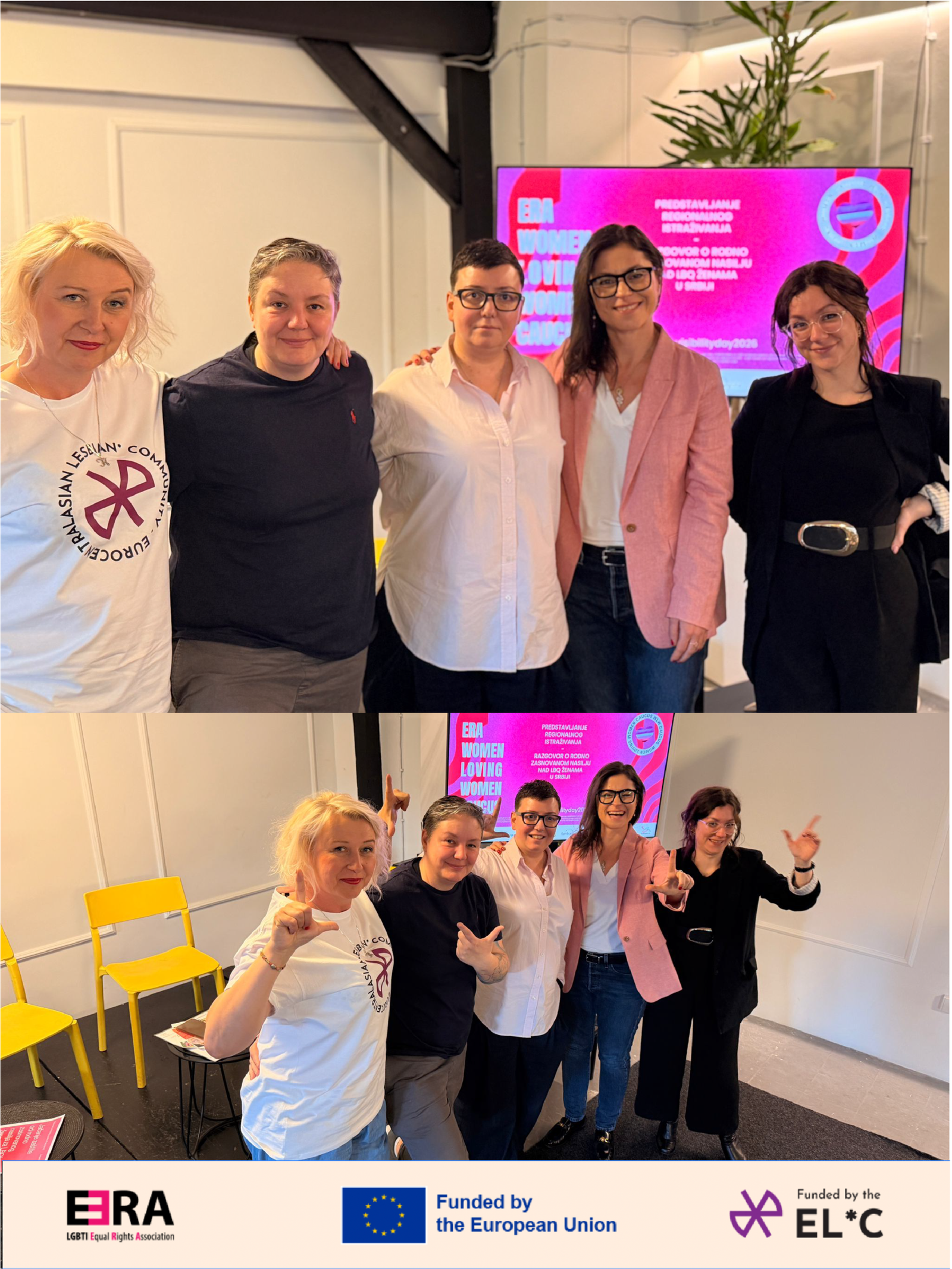
    ERA’s input, prepared through the Women Loving Women Caucus, contributed regional evidence from the Western Balkans and Slovenia to the global analysis. The submission is referenced in key sections of the report addressing access to healthcare, gender-based violence services, and the structural data gaps that continue to make violence against LBQ women invisible in policies, institutions and official statistics.

    The report underlines that LBQ women often remain absent from both women’s rights frameworks and broader LGBTIQ+ policy responses. Their experiences of violence are frequently minimized, misclassified or treated as private matters, while protection systems often fail to recognize violence within same-sex relationships or the specific risks faced by lesbian, bisexual and queer women.

    For ERA, this recognition is an important confirmation of the relevance of community-based knowledge, regional cooperation and long-term advocacy led by LBQ women and activists from the region. It also strengthens the need for better data, inclusive protection services, trained institutions and policies that address the lived realities of LBQ women.

    “This is an extremely important moment for us. The regional input on gender-based violence against LBQ women from our region has become part of the global evidence base. As lesbians, activists, experts and as part of ERA, we are proud that our work has contributed to this historic report,” said Elena Petrovska, ERA’s Project and Advocacy Coordinator.

    The report calls on States to recognize violence against LBQ women as gender-based violence, ensure inclusive shelters and protection services, collect disaggregated data, remove barriers to healthcare and guarantee that LBQ women can access justice, safety and public life without discrimination.

    ERA will continue working with its members, partners and the Women Loving Women Caucus to document the realities of LBQ women in the Western Balkans and Türkiye, strengthen institutional responses and ensure that LBQ women’s experiences are no longer pushed to the margins of policy, protection and public debate.

    Read the full report here.
  • ERA, Stana and Queer Montenegro Address Violence Against LBTIQ Women at Joint Event in Podgorica

    ERA, Stana and Queer Montenegro Address Violence Against LBTIQ Women at Joint Event in Podgorica

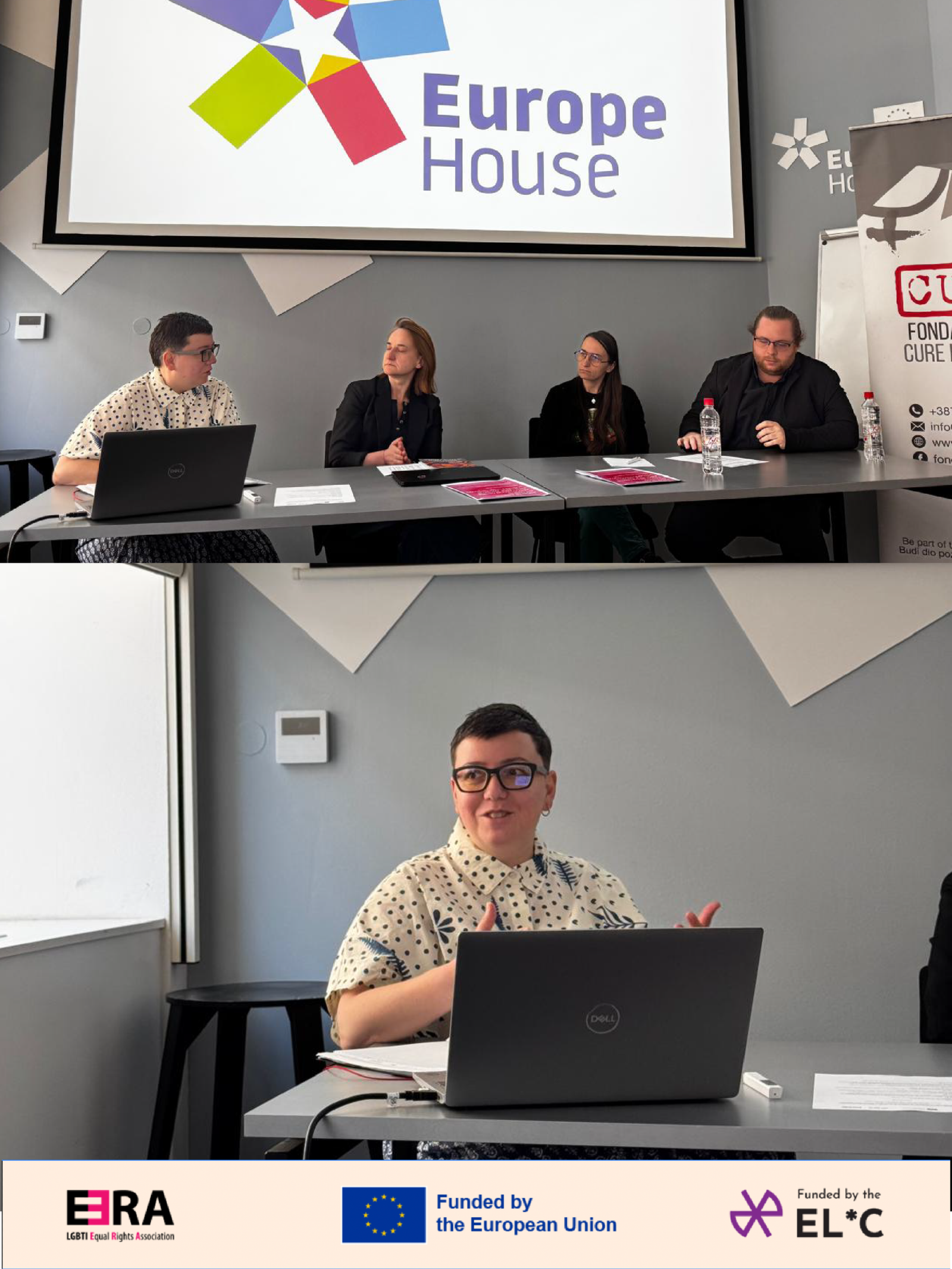
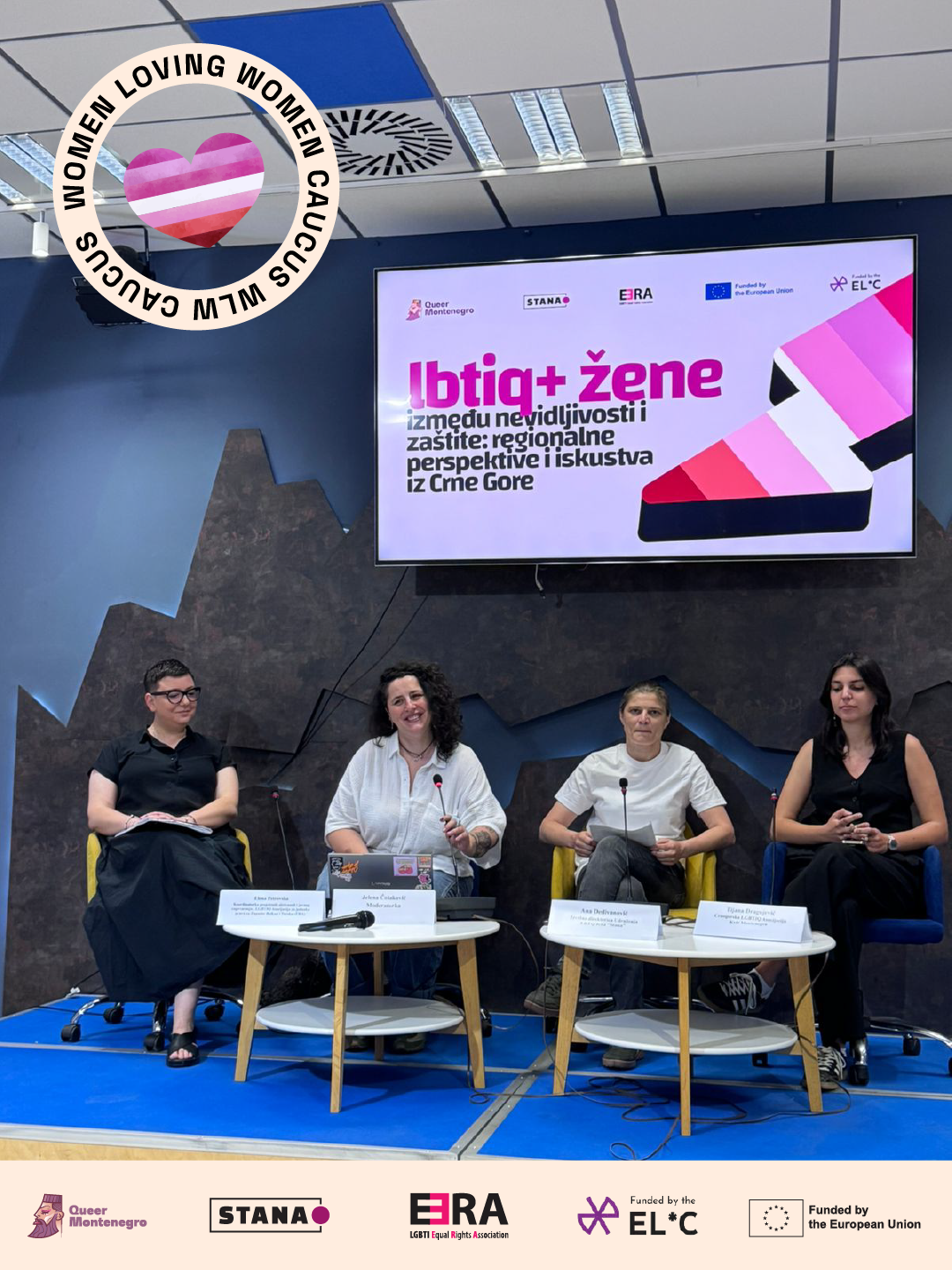
    The conference “LBTIQ Women between Invisibility and Protection: Regional Perspectives and Experiences from Montenegro” opened in Podgorica, bringing together community representatives, civil society organisations and key stakeholders to discuss violence against LBTIQ women, institutional mistrust and the urgent need for real, accessible and non-discriminatory protection.

    The event was opened by Ana Dedivanović, Executive Director of the LBTQ Women’s Association Stana, and Tijana Dragojević, Project Coordinator at Queer Montenegro. In their opening remarks, they centred the realities of LBTIQ women who have remained invisible for too long, while continuing to exist, love, build community and resist.

    Jelena Čolaković presented the local research findings, showing that violence against LBTIQ women is often not limited to isolated incidents, but forms a continuum. This includes psychological pressure, verbal abuse, family rejection, threats of outing, digital harassment, control within relationships and mistrust in institutions.

    One of the key findings presented during the conference was particularly clear: although 64% of respondents know where they could report violence, 80% have never reported it. This gap points to the need to move beyond the formal availability of protection mechanisms and ensure that institutions are trusted, accessible and able to respond without discrimination.

    Bringing the regional perspective, Elena Petrovska, Project and Advocacy Coordinator at ERA and WLW Caucus Coordinator, underlined the importance of moving from research and data towards concrete protection.

    “This dialogue is an important step from data to protection. We are here to work closely with institutions, policy makers and local organisations so that laws, services and referral pathways recognise LBTIQ survivors and protect them without discrimination. We now have solid evidence about how violence affects LBTIQ women across the region. What we need is cooperation so that these realities are recognised in policies, protocols and services,” said Petrovska.

    The conference created space for a public dialogue on how institutions, civil society organisations and decision-makers can better recognise the specific forms of violence experienced by LBTIQ women and ensure that protection systems respond to their needs in practice.

    This activity was part of the projects “Invisible Survivors,” “We Exist, We Resist,” and “From Data to Protection – Improving Cooperation among Key Actors in the Field of Gender-Based Violence against LBQ Women in the Western Balkans,” funded by the EuroCentralAsian Lesbian* Community network and the European Union.

    The content is the sole responsibility of the LBTQ Women’s Association Stana, LGBTIQ Association Queer Montenegro, and ERA – LGBTI Equal Rights Association for the Western Balkans and Türkiye, which implement the projects, and does not necessarily reflect the views of donors.